












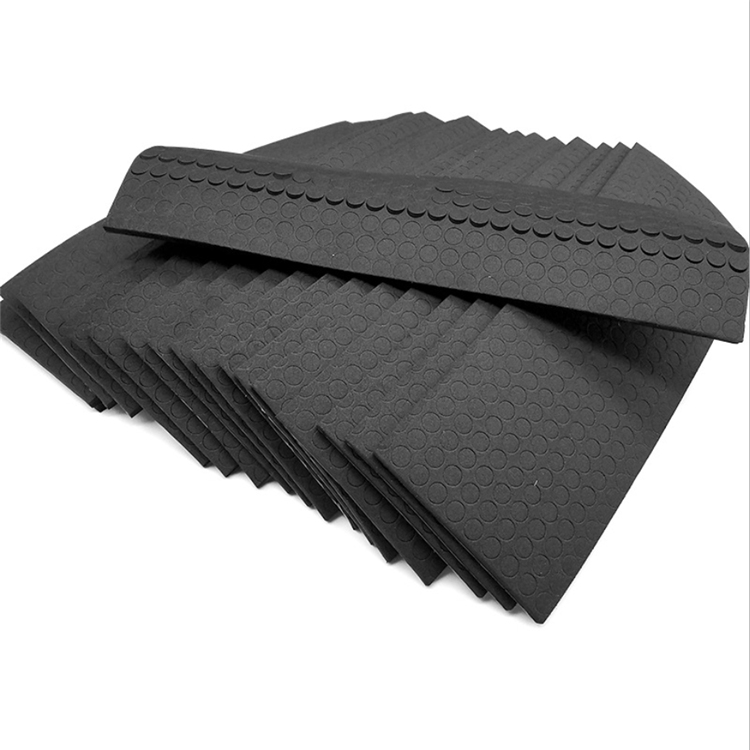


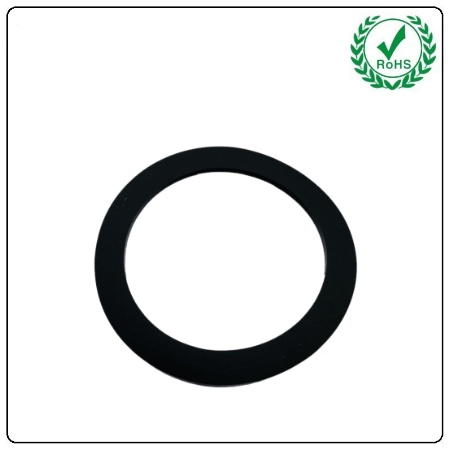
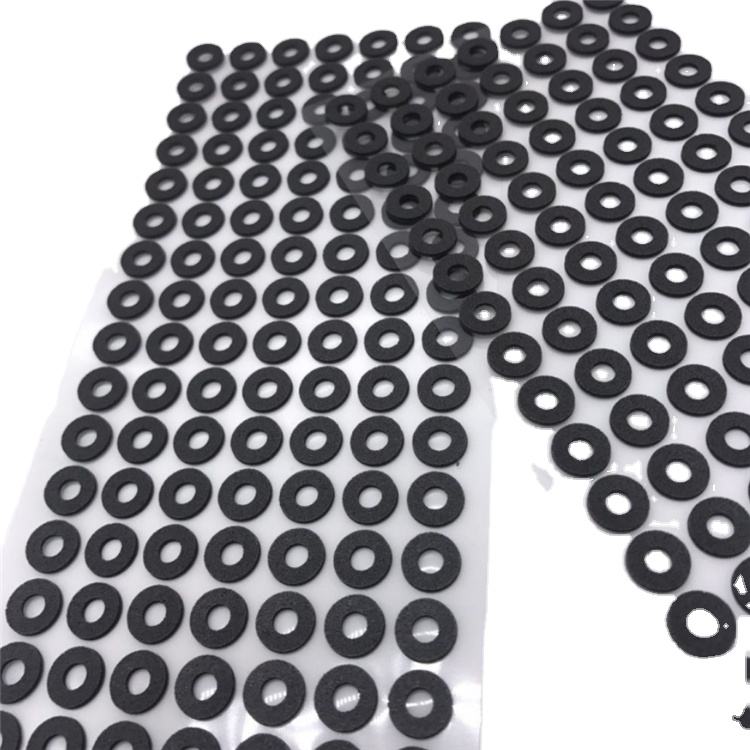
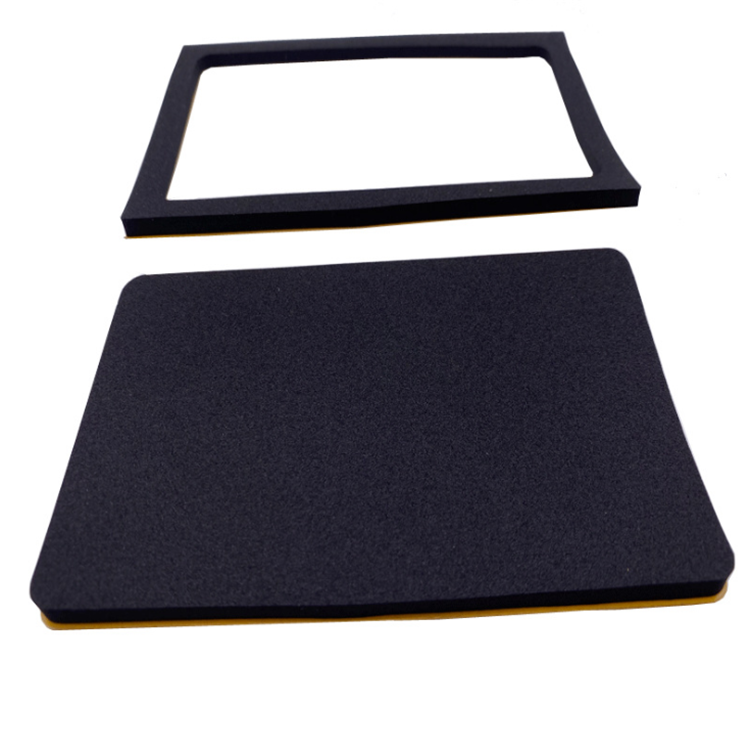
China Poron Gasket
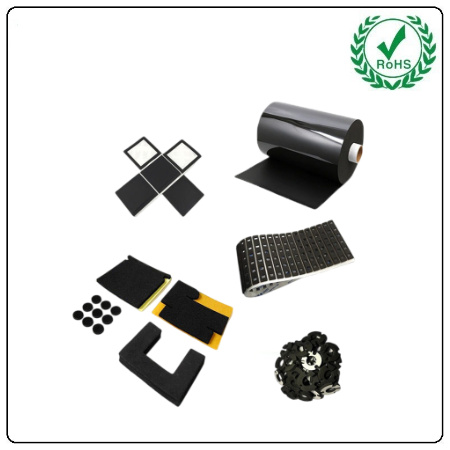
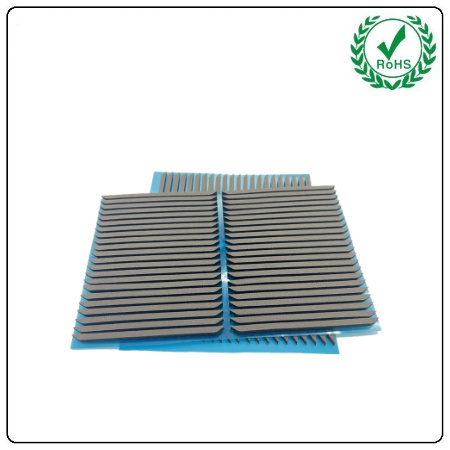
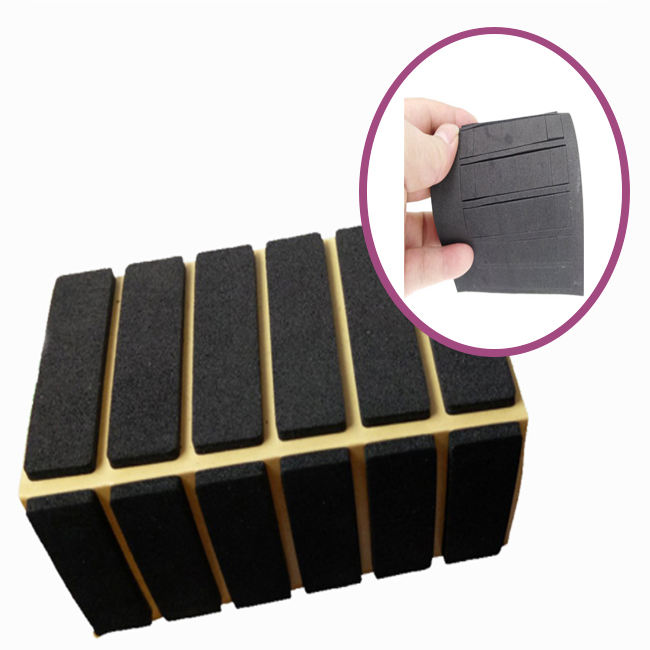
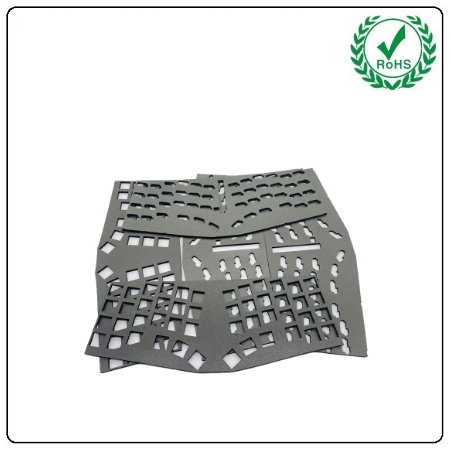
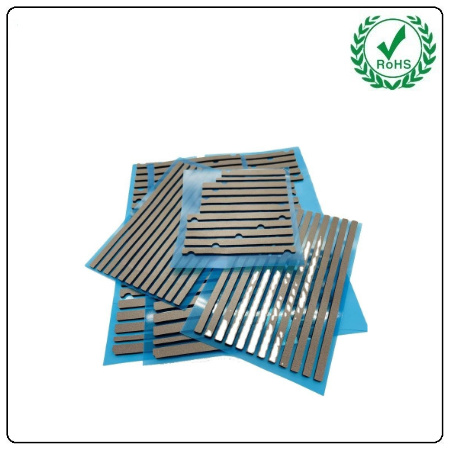
Poron gaskets leverage core characteristics such as low compression set, high resilience, precision sealing, vibration damping, dustproofing, and conductive shielding. They meet the precision requirements for sandwich panels, PCBs, LEDs, keyboards, and battery peripherals, effectively addressing challenges like gap filling, vibration protection, and dustproof sealing across various applications.
${{shopModel.rebate>0?shopModel.discountPriceStr:shopModel.formattedAmount}}
$ {{shopModel.formattedAmount}}
Like
{{item.name}}
Quantity:
Estimated Delivery Date: Oct 20-Oct 20
Frequently Asked Questions
How can I contact customer service?
Do you ship overseas?
How long will it take to get my order?
Specifications
{{item.name}}
{{item.value}}

Core Principles for Selecting Poron Gaskets
Matching application performance requirements + meeting installation/process specifications. Follow a four-step screening process: Define requirements → Select parameters → Determine specifications → Choose brand + validate. Balance compatibility and cost for industrial applications including electronics, automotive, and smart home devices.
1. First define 3 core usage requirements Load-bearing: Dynamic repeated compression (buttons, hinges) → Heavy-duty compression with permanent deformation and high resilience; Static compression (sealing, gap filling) → Heavy-duty support / sealing capability. Environmental/Protection: Water/dust resistance (check IP rating), temperature tolerance (standard -40°C to 125°C; choose wide-temperature variants for high-heat applications), exposure to oil/reagents (requires chemical-resistant variants); anti-static protection for precision electronics. Installation: Adhesive mounting → Requires foam-specific adhesive backing; Snap-fit/mechanical fastening → Focus on dimensional tolerance control.
2. Screening Core Performance Parameters (No single optimal value for key metrics; only matching)
01. Density: ≥0.6 g/cm³ (High density, support / rigid sealing); 0.2–0.6 g/cm³ (Medium-low density, cushioning / vibration damping / flexible sealing).
02. Hardness: Shore OO 20–40 (light touch switches / electronic encapsulation); Shore OO 50–70 / Shore A 20–40 (equipment sealing / structural support).
03. Compression set: Dynamic applications ≤10%, static applications ≤20% (lower values indicate superior resilience, a core Poron advantage).
04. Other considerations: For waterproofing, select closed-cell variants ≥95% closed-cell rate; for shock absorption/noise reduction, choose variants with rebound rate ≥80%.
. Confirm Specifications and Processing Requirements (for Production and Installation Compatibility)
*Thickness: 0.1~10mm (Precision gap 0.1~0.5mm, large gap ≥1mm), Precision scenario tolerance ±0.05mm, Standard ±0.1mm.
*Die-cutting: Shape determined by installation location, Precision parts tolerance ±0.05mm, Standard ±0.1mm, edges must be burr-free.
*Adhesive backing: Select foam-specific adhesive (prevents rebound/delamination). For high-temperature/metal substrates, use high-tack adhesive (e.g., 3M 467/468). For soft rubber/painted surfaces, use low-tack adhesive (prevents residue marks).
*Surface treatment: For precision electronics, choose anti-static option (surface resistance 10⁶~10¹¹Ω). For abrasion-resistant applications, select PU-coated option.
CUSTOMER REVIEWS
{{commentStat.averageRating}}
{{commentStat.total}} Revirews
All({{commentStat.total}})
Images({{commentStat.imgSum}})
5 Star({{commentStat.praiseSum}})



{{item.comments}}