












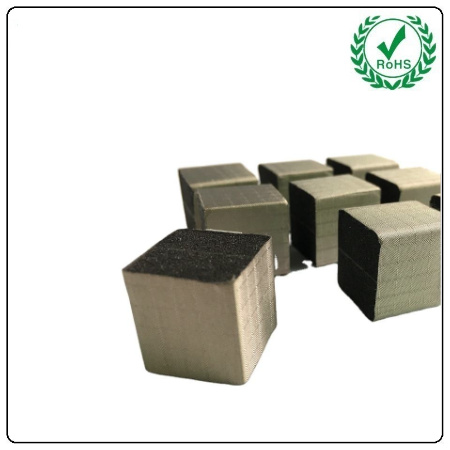
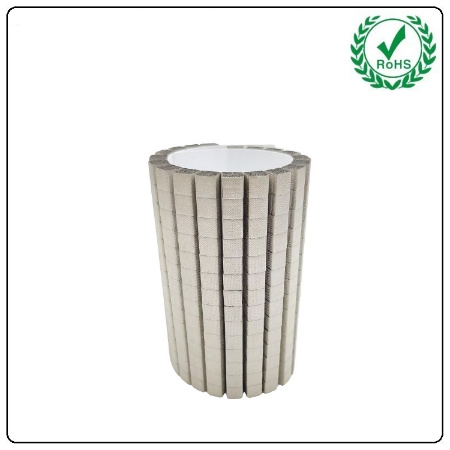
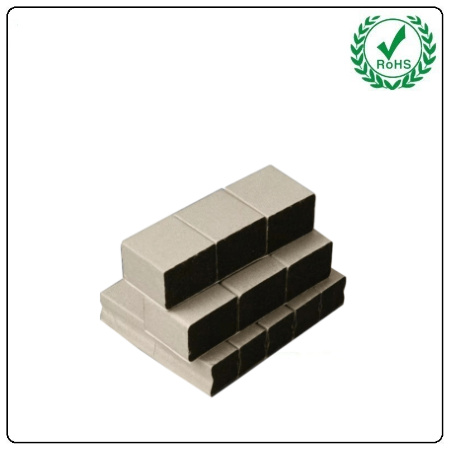
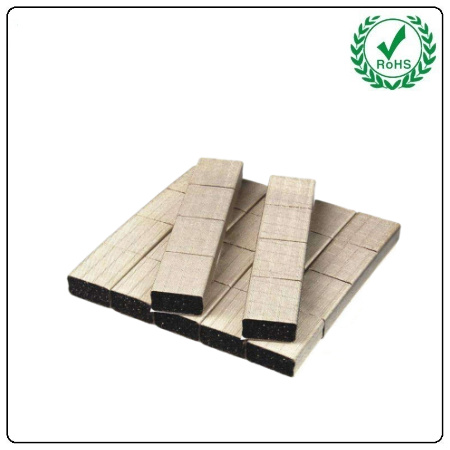
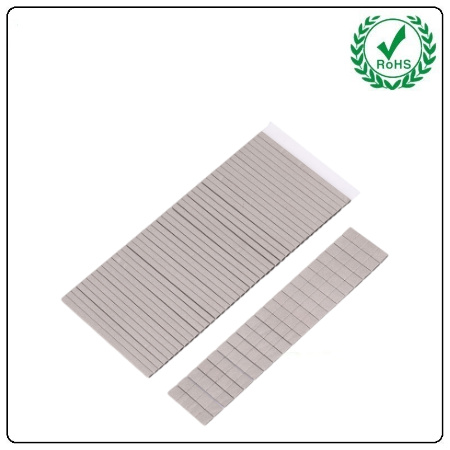
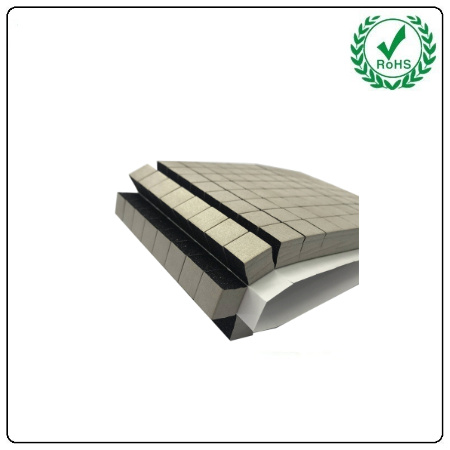
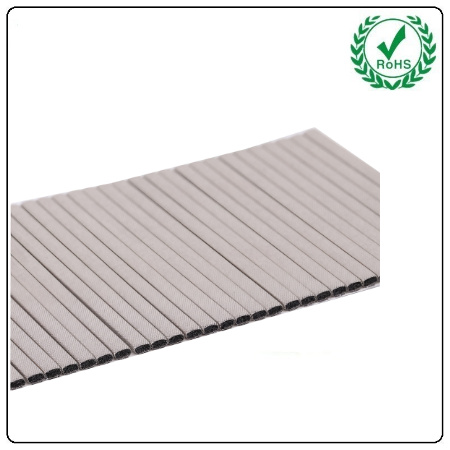
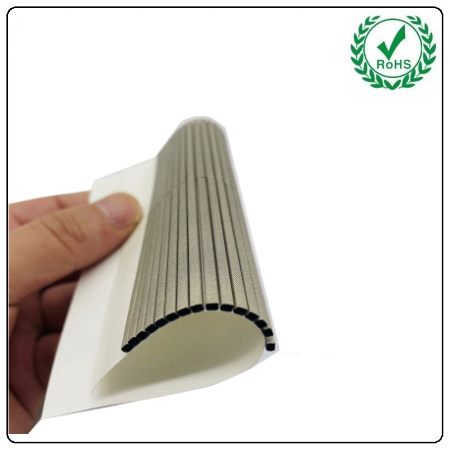
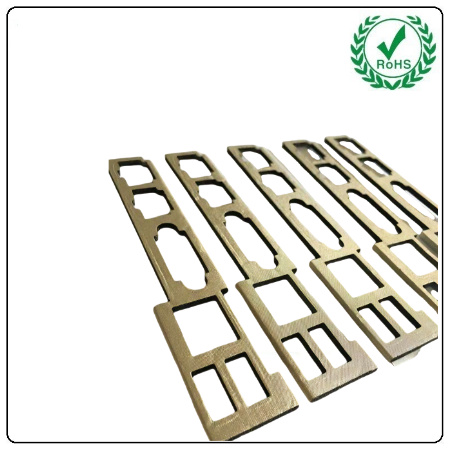
EMI Shielding Foam
The essence of electromagnetic shielding lies in utilizing the electromagnetic properties of materials to achieve a triple effect on electromagnetic waves: reflection, absorption, and attenuation through multiple reflections. This ultimately dissipates or blocks electromagnetic energy.
${{shopModel.rebate>0?shopModel.discountPriceStr:shopModel.formattedAmount}}
$ {{shopModel.formattedAmount}}
Like
{{item.name}}
Quantity:
Estimated Delivery Date: Oct 20-Oct 20
Frequently Asked Questions
How can I contact customer service?
Do you ship overseas?
How long will it take to get my order?
Specifications
{{item.name}}
{{item.value}}
Mainstream EMI Shielding Materials and Their Characteristics

| Material Categories | Key Features | Typical Form |
|---|---|---|
| Conductive Foam | Highly flexible, excellent compression recovery, superior shielding performance, with sealing and cushioning capabilities | Foam gaskets, die-cut pads, conductive strips |
| Conductive Fabric Tape | Lightweight, flexible, and conformable, suitable for curved/irregular structures | Conductive Fabric Tape, Die-Cut Shielding Adhesive Pads |
| Conductive Rubber | Excellent thermal properties, strong sealing capability, and resistance to aging, suitable for harsh environments. | Rubber Sealing Ring, Shielding Gasket |
| Metal Foil / Metal Foil Foam | Exceptionally high electrical conductivity, outstanding shielding performance, lightweight and rigid | Metal foil tape, composite foam gasket |
Conductive foam, conductive fabric tape, and metal foil composite foam are core categories for die-cutting processing. They can be die-cut to any size or shape according to customer requirements and directly integrated with electronic components/parts such as switches, connectors, PCB boards, and equipment enclosures.
Key Performance Indicators for EMI Shielding Materials:
1. Shielding Effectiveness (SE): A core metric measured in dB (decibels), indicating a material's ability to attenuate electromagnetic waves. Higher values denote superior shielding performance.
2. Conductivity: The lower the resistivity, the better the conductivity and the stronger the reflection attenuation effect;
3. Mechanical Properties: Flexibility, compression recovery rate, tensile strength, bendability, compatibility with device mounting structures (e.g., narrow gaps, curved surfaces, areas requiring compression);
4. Environmental Adaptability: Temperature tolerance range (–55°C to 200°C is mainstream in electronics), thermal aging resistance, moisture/heat resistance, salt spray resistance, suitability for outdoor/harsh environments like automotive and industrial equipment;
5. Processing/Installation Characteristics: Die-cutting capability, adhesive backing strength (if coated), and adhesion properties determine suitability for mass-production die-cutting and equipment assembly;
6. Additional Functions: Certain applications require materials to integrate sealing, cushioning, and thermal conductivity (e.g., new energy battery packs, in-vehicle equipment), i.e., “shielding + thermal conductivity + sealing” composite materials.
CUSTOMER REVIEWS
{{commentStat.averageRating}}
{{commentStat.total}} Revirews
All({{commentStat.total}})
Images({{commentStat.imgSum}})
5 Star({{commentStat.praiseSum}})



{{item.comments}}