










How to Choose High Temperature Resistance Tape: A Guide to KKG Polyimide TapePolyimide Tape
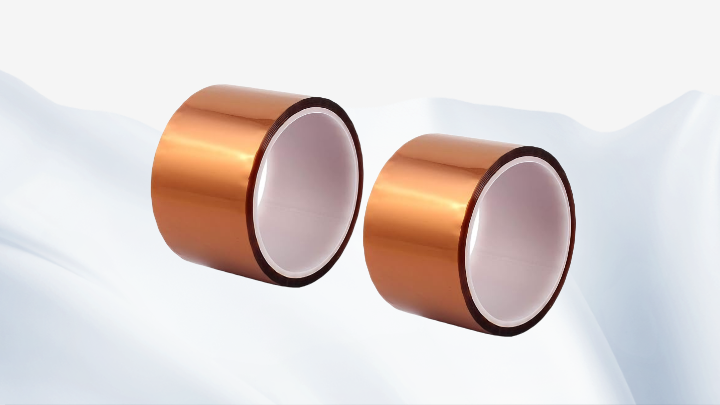
Understanding High Temperature Resistance Tape
High temperature resistance tape is essential in industries such as electronics, automotive, and aerospace, where components are exposed to extreme heat. Among the many options, KKG Polyimide Tape stands out for its ability to withstand temperatures up to 260°C (500°F) while maintaining excellent electrical insulation and chemical resistance. This tape is made from polyimide film, which provides superior thermal stability and mechanical strength.
Key Factors to Consider When Choosing
When selecting a high temperature resistance tape, start by evaluating the maximum operating temperature of your application. KKG Polyimide Tape is rated for continuous use at 260°C, making it suitable for soldering, powder coating, and PCB protection. Next, consider the adhesive strength. KKG uses a silicone adhesive that offers strong bonding yet leaves no residue upon removal, which is critical for temporary masking or protection. Additionally, check the thickness and flexibility—thinner tapes conform better to irregular surfaces, while thicker tapes provide more robust insulation. Finally, verify the tape's electrical insulation properties; KKG tape has a dielectric strength of over 7 kV, ensuring safety in electronic applications.
Application-Specific Recommendations
For wave soldering and PCB assembly, choose KKG Polyimide Tape with a thickness of 0.06mm to 0.08mm for precise masking. In powder coating and heat treatments, opt for thicker versions (0.1mm or more) to provide better thermal barrier. For cable and wire harnessing, where flexibility is key, the 0.06mm tape is ideal. Always test the tape on a small area first to ensure compatibility with your specific materials and conditions.
Common Mistakes to Avoid
One common mistake is using a tape rated for lower temperatures in high-heat applications, leading to adhesive failure or residue. Another is ignoring surface preparation—ensure surfaces are clean, dry, and free of oils for optimal adhesion. Also, avoid stretching the tape excessively during application, as this can cause it to lift prematurely. With KKG Polyimide Tape, following these guidelines ensures reliable performance.
Conclusion
Choosing the right high temperature resistance tape involves understanding your thermal, mechanical, and electrical requirements. KKG Polyimide Tape provides a versatile and high-performance solution for demanding environments. By considering temperature rating, adhesive properties, and application specifics, you can ensure long-lasting and effective results.
Common Questions
Q: Can KKG Polyimide Tape withstand lead-free soldering temperatures?A: Yes, KKG Polyimide Tape is designed to withstand the higher temperatures of lead-free soldering (up to 260°C), making it ideal for PCB masking in such processes.
Q: Will the tape leave residue after removal?A: No, KKG Polyimide Tape uses a specially formulated silicone adhesive that leaves minimal to no residue when removed properly.
Q: Is KKG Polyimide Tape suitable for outdoor use?A: While it has excellent temperature and chemical resistance, prolonged UV exposure can degrade polyimide. For outdoor use, consider covering or using a UV-resistant alternative.