










A Comprehensive Guide: How to Purchase Thermal Silicone Pads for Optimal PerformanceThermal Silicone Pad
Understanding Thermal Silicone Pads
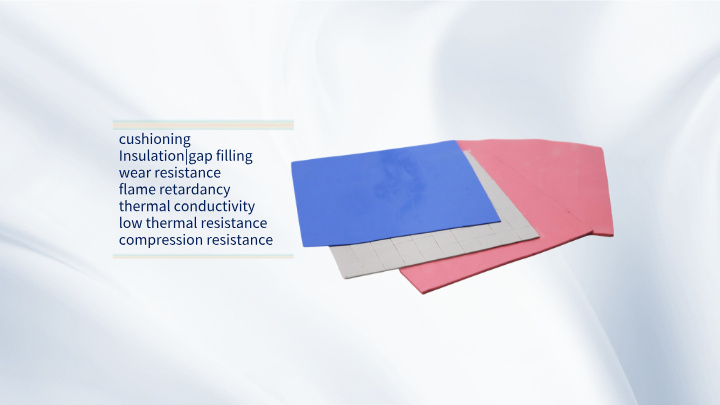
Thermal silicone pads are soft, compressible materials used to transfer heat from electronic components like CPUs, GPUs, and power modules to heat sinks or enclosures. They fill gaps between surfaces, providing better thermal contact than air. Brands like KKG offer a range of pads with varying properties to suit different applications, from consumer electronics to industrial systems. When purchasing, it's crucial to consider factors such as thermal conductivity, which measures how well the pad transfers heat, typically ranging from 1 to 12 W/mK. Higher values indicate better performance, but may come at a higher cost.
Key Factors to Consider When Buying
To choose the right thermal silicone pad, start by assessing your specific needs. Thermal conductivity is paramount; for high-performance devices, opt for pads with 6 W/mK or above, while basic applications may suffice with 3 W/mK. Thickness is another critical aspect; measure the gap between components and select a pad that compresses slightly to ensure full contact without excessive pressure. Common thicknesses range from 0.5mm to 5mm. Additionally, consider the hardness or softness of the pad, often measured in Shore OO scale, as softer pads conform better to irregular surfaces. Don't overlook electrical insulation properties; most silicone pads are non-conductive, but verify this if safety is a concern, especially in high-voltage environments.
Practical Steps for Purchase
Begin by identifying the components you need to cool and their specifications. Check manufacturer datasheets for recommended thermal interface materials. When shopping, compare products from reputable brands like KKG, looking at customer reviews and certifications such as UL or RoHS for quality assurance. Purchase from reliable suppliers, whether online retailers or local stores, to avoid counterfeit products. Consider buying sample kits to test different pads before committing to a bulk order. Remember, the goal is to balance performance, cost, and ease of installation. For DIY projects, pre-cut sizes can save time, while larger rolls offer flexibility for custom applications.
Common Questions
How do I determine the correct thickness for a thermal silicone pad?
Measure the gap between the heat source and the heat sink using calipers or a ruler. Choose a pad that is slightly thicker than the gap, as it will compress to fill the space effectively. For example, if the gap is 1mm, a 1.5mm pad might be suitable, but always refer to the pad's compression specifications.
Are all thermal silicone pads electrically insulating?
Most thermal silicone pads are designed to be electrically insulating to prevent short circuits. However, it's essential to check the product datasheet or description to confirm this property, especially if used in sensitive electronic applications where conductivity could cause damage.
Can I reuse a thermal silicone pad after removal?
It is generally not recommended to reuse thermal silicone pads once they have been compressed and installed. Over time, they can lose their elasticity and thermal performance. For best results, replace the pad with a new one during maintenance or upgrades to ensure optimal heat transfer.