










Unlocking Optimal Performance: A Comprehensive Guide to Purchasing KKG Silicone Thermal PadsThermal Silicone Pad
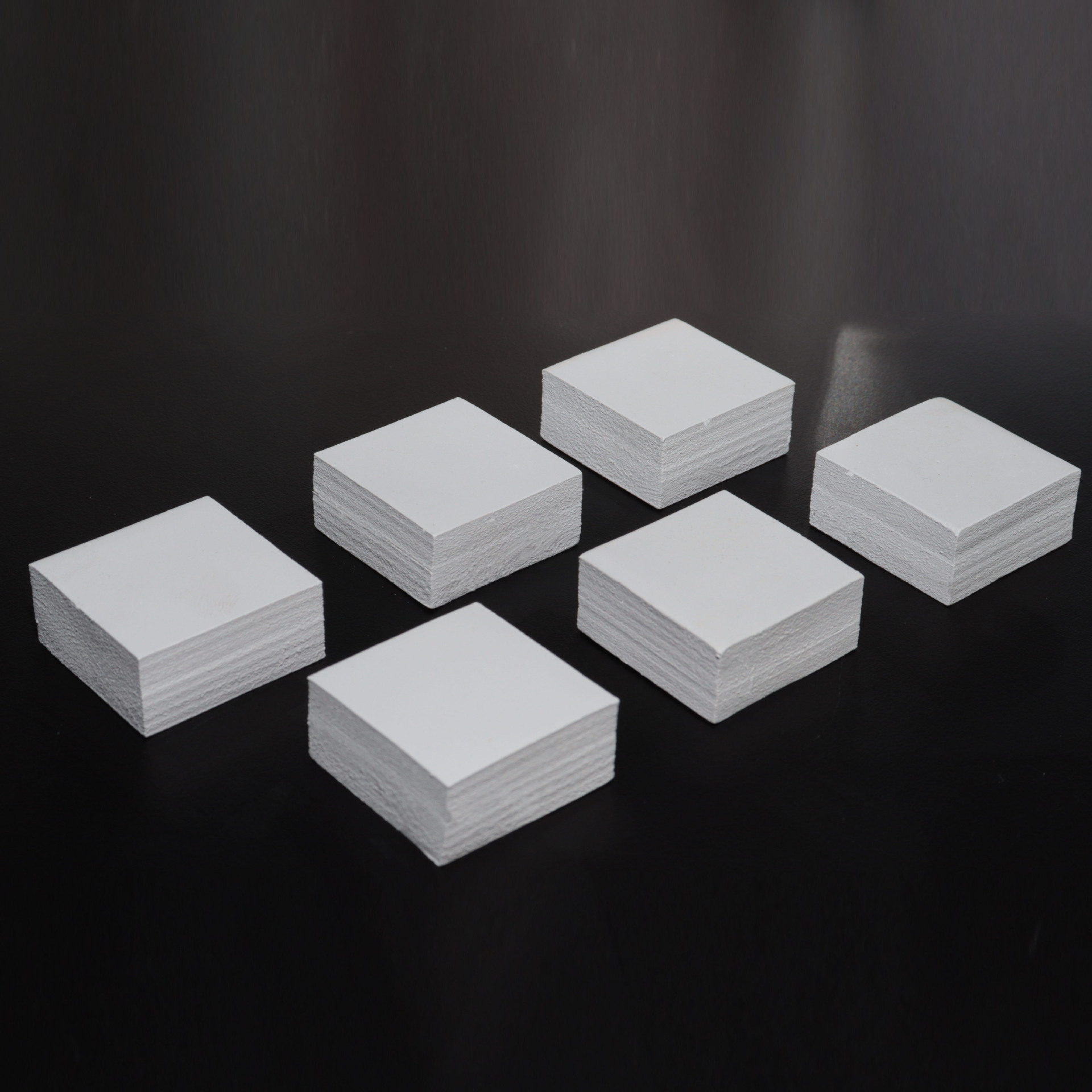
Understanding KKG Silicone Thermal Pads
KKG silicone thermal pads are flexible, thermally conductive materials designed to transfer heat away from electronic components like CPUs, GPUs, and power modules. They are made from silicone rubber infused with ceramic or metal fillers, which enhance their thermal conductivity. Unlike thermal pastes, these pads are solid and easy to handle, making them ideal for filling gaps between uneven surfaces. When you purchase thermal silicone pads, you're investing in a reliable solution that prevents overheating and extends the lifespan of your devices.
Key Factors to Consider When Purchasing
When selecting KKG silicone thermal pads, several factors should guide your decision. First, consider the thermal conductivity, measured in W/mK. Higher values, such as 6-12 W/mK, are better for high-performance applications. Second, the thickness of the pad is critical; it must match the gap between components to ensure proper contact and heat transfer. Third, check the hardness or durometer, as softer pads conform better to surfaces but may be less durable. Additionally, look for pads with good electrical insulation properties to avoid short circuits. Always verify the manufacturer's specifications and read reviews to ensure quality and compatibility with your specific use case.
Practical Tips for Installation and Maintenance
To maximize the effectiveness of KKG silicone thermal pads, proper installation is essential. Clean the surfaces of the components thoroughly with isopropyl alcohol to remove any dust or old thermal material. Cut the pad to the exact size needed, avoiding overlaps or gaps. Apply gentle pressure when placing the pad to ensure it adheres well without tearing. Over time, these pads may degrade or dry out; it's advisable to inspect and replace them every 1-2 years, depending on usage. By following these steps, you can maintain optimal thermal performance and prevent potential damage from heat buildup.
Common Questions
How do I choose the right thickness for a KKG silicone thermal pad?
Measure the gap between the heat source and the heatsink using a caliper or similar tool. Select a pad thickness that matches this measurement closely, as using one that is too thick or thin can reduce thermal efficiency. Most manufacturers provide a range of thicknesses, so you can find one that fits your specific application.
Can KKG silicone thermal pads be reused?
Generally, it is not recommended to reuse thermal pads. Once removed, they may lose their conformability and thermal properties due to compression or contamination. For best results, always use a fresh pad during installation to ensure reliable heat transfer and avoid performance issues.