










Top-Rated Thermal Silicone Pads: A Word-of-Mouth Ranking Chart for Optimal Cooling PerformanceThermal Silicone Pad
Understanding Thermal Silicone Pads
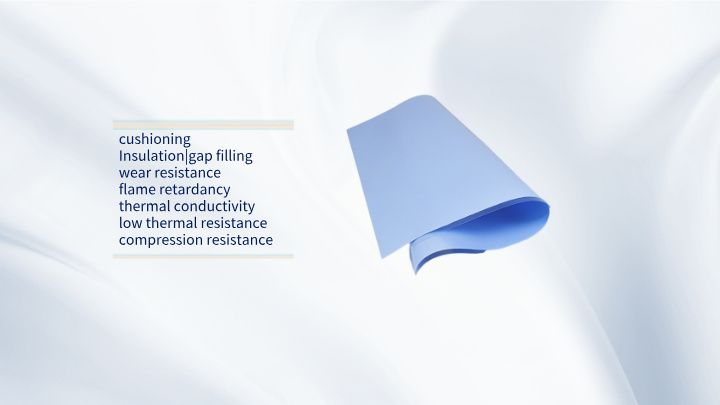
Thermal silicone pads are soft, compressible materials used to transfer heat from electronic components, such as CPUs or GPUs, to heat sinks. Unlike thermal paste, they offer a mess-free application and can fill gaps between uneven surfaces. KKG silicone thermal pads are known for their reliability and consistent performance, making them a popular choice among DIY enthusiasts and professionals alike. In this ranking, we focus on real-world user experiences to identify the best options available.
Key Factors in the Ranking Chart
Our word-of-mouth ranking chart evaluates thermal silicone pads based on several critical criteria. Thermal conductivity is paramount, as it determines how effectively heat is dissipated; pads with higher W/mK ratings, like KKG's 12 W/mK models, often top the list. Durability and longevity are also crucial, with users praising pads that maintain performance over time without drying out or cracking. Ease of installation and compatibility with various devices round out the factors, ensuring a smooth user experience from start to finish.
Top Performers in the KKG Lineup
Based on aggregated feedback, the KKG 1.5mm thickness pad with 12 W/mK thermal conductivity consistently ranks highest. Users report excellent heat transfer for gaming PCs and servers, noting minimal temperature drops under heavy loads. Another standout is the KKG 2.0mm variant, favored for its flexibility in filling larger gaps without compromising efficiency. These top-rated pads not only enhance cooling but also reduce noise by preventing overheating, as highlighted in many positive reviews.
Practical Tips for Selection and Use
When choosing a thermal silicone pad, consider your device's specific needs. Measure the gap between components accurately to select the right thickness—too thin or too thick can hinder performance. For best results, clean surfaces thoroughly before application and apply even pressure to ensure proper adhesion. Regular maintenance checks can help detect any degradation early, prolonging the pad's effectiveness. By following these tips, you can maximize the benefits of KKG pads and avoid common pitfalls.
Common Questions
How often should I replace my thermal silicone pad?
Typically, replace it every 2-3 years or if you notice increased temperatures, as pads can degrade over time with heat exposure.
Can I use KKG pads on all types of electronics?
Yes, KKG pads are versatile and suitable for CPUs, GPUs, LEDs, and other components, but always check compatibility and thickness requirements first.
What makes KKG pads stand out in the ranking?
They offer a balance of high thermal conductivity, durability, and user-friendly application, backed by positive word-of-mouth from diverse users.