










Top 5 Thermal Silicone Pads: A Comprehensive Ranking Chart for Optimal Heat ManagementThermal Silicone Pad
Introduction to Thermal Silicone Pads
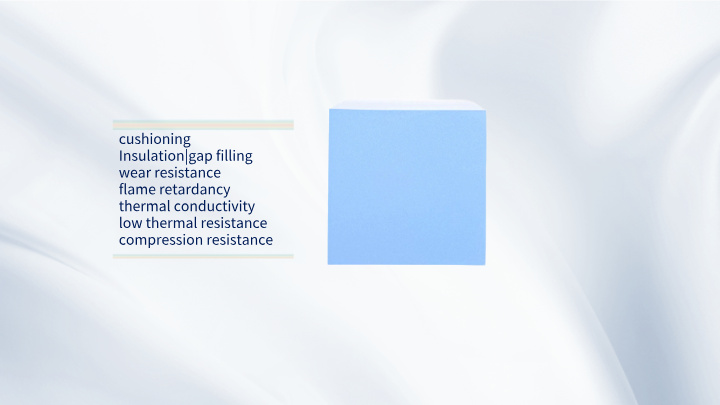
Thermal silicone pads are essential components in electronic devices, used to transfer heat away from sensitive components like CPUs and GPUs. They fill gaps between surfaces, ensuring efficient thermal conductivity and preventing overheating. KKG is a well-known brand in this field, offering a range of pads with varying properties such as thermal conductivity, hardness, and thickness. Understanding these factors is key to selecting the right pad for your application, whether it's for gaming PCs, servers, or consumer electronics.
KKG Thermal Silicone Pad Ranking Chart
Based on performance, durability, and user reviews, here's a recommended ranking chart for KKG thermal silicone pads. KKG Pro Series tops the list with a thermal conductivity of 12 W/mK, making it ideal for high-performance systems. Next is the KKG Standard Series, offering 6 W/mK at a budget-friendly price, perfect for general use. The KKG Ultra-Thin Series ranks third, with a thickness of 0.5mm for tight spaces. Fourth is the KKG High-Temp Series, designed for environments up to 200°C. Lastly, the KKG Eco-Friendly Series uses non-toxic materials, suitable for sensitive applications.
How to Choose the Right Thermal Silicone Pad
When selecting a thermal silicone pad, consider the thermal conductivity rating—higher values like 10 W/mK are better for demanding tasks. Thickness is also critical; measure the gap between components to ensure a snug fit without pressure. Hardness affects compressibility; softer pads conform better to uneven surfaces. For KKG pads, check compatibility with your device and read user feedback to gauge real-world performance. Always follow installation guidelines to avoid air bubbles and maximize heat transfer efficiency.
Installation Tips and Best Practices
Proper installation is vital for optimal heat dissipation. Start by cleaning the surfaces with isopropyl alcohol to remove dust and oils. Cut the pad to size using a sharp knife or scissors, ensuring it covers the component fully without overlapping. Peel off the protective film and apply the pad gently, pressing down to eliminate air pockets. Avoid stretching the material, as this can reduce its effectiveness. For KKG pads, allow a brief settling period before powering on the device to ensure good contact. Regular maintenance, like checking for degradation every few months, can prolong pad life and prevent overheating issues.
Common Questions
What is the difference between thermal paste and thermal silicone pads? Thermal paste is a liquid or paste that fills microscopic gaps, while pads are solid sheets used for larger gaps. Pads are easier to apply and less messy, but paste often has higher thermal conductivity for precise applications.
How often should I replace my thermal silicone pad? Typically, replace thermal silicone pads every 1-2 years, or if you notice increased temperatures or physical damage. KKG pads are durable, but performance can degrade over time with heat cycles.
Can I reuse a thermal silicone pad? It's not recommended to reuse thermal silicone pads, as they may lose compressibility and thermal properties after removal. Always use a fresh pad for the best results and to avoid contamination.
Are KKG thermal silicone pads safe for all electronics? Yes, KKG pads are generally safe and non-conductive, but check the specific series for compatibility with sensitive components. The Eco-Friendly Series is especially designed for low-risk environments.