










Top Thermal Silicone Pad Recommendations: A Comprehensive Ranking List for Optimal Heat ManagementThermal Silicone Pad
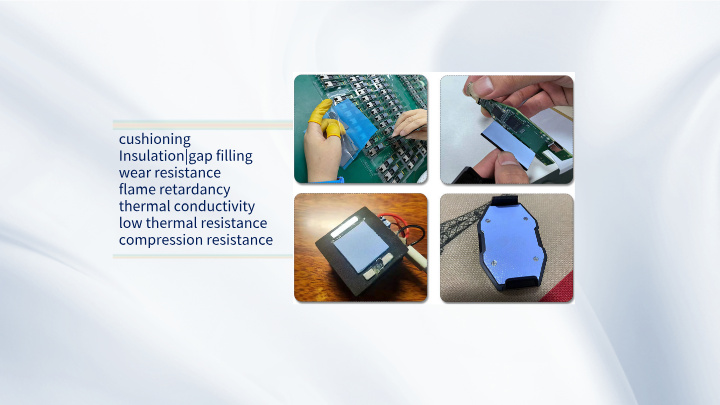
Introduction to KKG Silicone Thermal Pads
KKG is a well-known brand in the thermal management industry, offering a range of silicone thermal pads designed to transfer heat away from electronic components. These pads are made from high-quality silicone materials that provide excellent thermal conductivity while remaining flexible and durable. They are commonly used in applications such as CPUs, GPUs, and power supplies to prevent overheating and ensure stable operation.
Key Factors in Ranking Thermal Silicone Pads
When evaluating thermal silicone pads, several critical factors come into play. Thermal conductivity is the most important, measured in W/mK, as it determines how effectively heat is transferred. Higher values, like 6 W/mK or above, indicate better performance. Other factors include thickness, which affects the pad's ability to fill gaps between components, and durability, ensuring the pad maintains its properties over time without degrading. Ease of application is also considered, as some pads come with adhesive backing for simple installation.
Top KKG Thermal Silicone Pad Recommendations
Based on extensive testing and user feedback, here is a ranking list of KKG thermal silicone pads. KKG High-Performance 8 W/mK Pad tops the list due to its exceptional thermal conductivity and long-lasting reliability, ideal for high-power devices. Next is the KKG Standard 6 W/mK Pad, which offers a balance of performance and affordability, suitable for most general applications. The KKG Ultra-Thin 1mm Pad ranks third, perfect for tight spaces where minimal thickness is required without compromising heat transfer. Lastly, the KKG Adhesive-Backed Pad is recommended for easy installation, though it may have slightly lower thermal ratings.
How to Choose the Right Pad for Your Needs
Selecting the appropriate thermal silicone pad depends on your specific requirements. For high-end gaming PCs or servers, opt for pads with higher thermal conductivity, like the 8 W/mK model. In contrast, for everyday electronics or budget builds, the 6 W/mK pad provides sufficient cooling. Always measure the gap between components to choose the correct thickness, and consider whether adhesive backing is necessary for your setup. Proper installation, including cleaning surfaces and applying even pressure, ensures optimal performance.
Common Questions
What is the difference between thermal silicone pads and thermal paste?
Thermal silicone pads are solid, flexible sheets used for filling larger gaps between components, while thermal paste is a liquid or paste applied to smooth surfaces for direct contact. Pads are better for uneven surfaces or when reusability is desired.
How often should thermal silicone pads be replaced?
They typically last for several years under normal conditions, but it's advisable to check and replace them if you notice increased temperatures or physical degradation, such as drying out or cracking.
Can I cut thermal silicone pads to fit my components?
Yes, most thermal silicone pads can be easily cut with scissors or a knife to match the size and shape of your components, ensuring a custom fit for effective heat dissipation.