










Your Ultimate Guide to KKG Silicone Thermal Pads: A Comprehensive Recommendation ChartThermal Silicone Pad
Introduction to KKG Silicone Thermal Pads
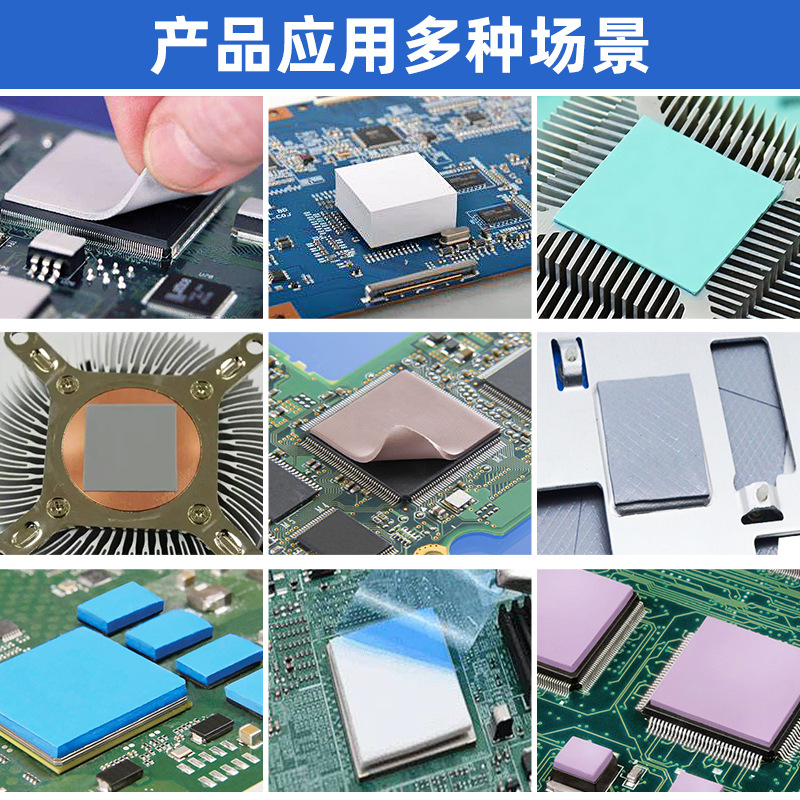
KKG silicone thermal pads are widely used in electronic devices to transfer heat away from components like CPUs, GPUs, and power modules. Made from high-quality silicone materials, these pads offer excellent thermal conductivity, flexibility, and durability. They are essential for preventing overheating, which can lead to reduced performance or hardware failure. In this guide, we'll dive into what makes KKG pads stand out and how to choose the best one for your application.
Key Features and Benefits
KKG thermal pads are known for their high thermal conductivity, typically ranging from 1.5 to 12 W/mK, allowing efficient heat transfer. They are also electrically insulating, preventing short circuits, and have good compressibility to fill gaps between uneven surfaces. Additionally, these pads are resistant to aging and chemicals, ensuring long-term reliability. Benefits include improved device stability, extended lifespan, and reduced noise from cooling fans.
How to Use KKG Thermal Pads Effectively
To maximize performance, start by cleaning the surfaces to remove dust and old thermal paste. Cut the pad to the exact size needed, as overlapping can reduce efficiency. Apply gentle pressure to ensure good contact without damaging components. For best results, follow manufacturer guidelines on thickness and installation. Regular maintenance, such as checking for wear, can help maintain optimal cooling over time.
Thermal Silicone Pad Recommendation Chart
Use this chart as a quick reference to select the right KKG pad based on your requirements. For low-power devices like routers or small electronics, choose pads with 1.5-3 W/mK conductivity and 0.5-1mm thickness. For gaming PCs or servers, opt for 6-9 W/mK and 1-2mm pads to handle higher heat loads. For industrial applications with extreme temperatures, select pads with 10-12 W/mK and custom thicknesses. Always consider factors like gap size and operating environment when making your choice.
Common Questions
How do I determine the right thickness for a KKG thermal pad?
Measure the gap between the heat source and heatsink accurately. Choose a pad thickness that matches this measurement, as using one that's too thick or thin can reduce thermal efficiency. KKG offers various thickness options to suit different applications.
Can KKG thermal pads be reused?
It's generally not recommended to reuse thermal pads, as they may lose compressibility or become contaminated over time. For optimal performance, replace them with new pads during maintenance or upgrades.
Are KKG pads safe for all electronic components?
Yes, KKG silicone thermal pads are non-conductive and chemically stable, making them safe for most electronics. However, always check compatibility with specific materials or high-voltage environments to avoid any issues.