










Top 5 KKG Silicone Thermal Pads for Optimal Heat Management: A Comprehensive Recommendation ListThermal Silicone Pad
Understanding KKG Silicone Thermal Pads
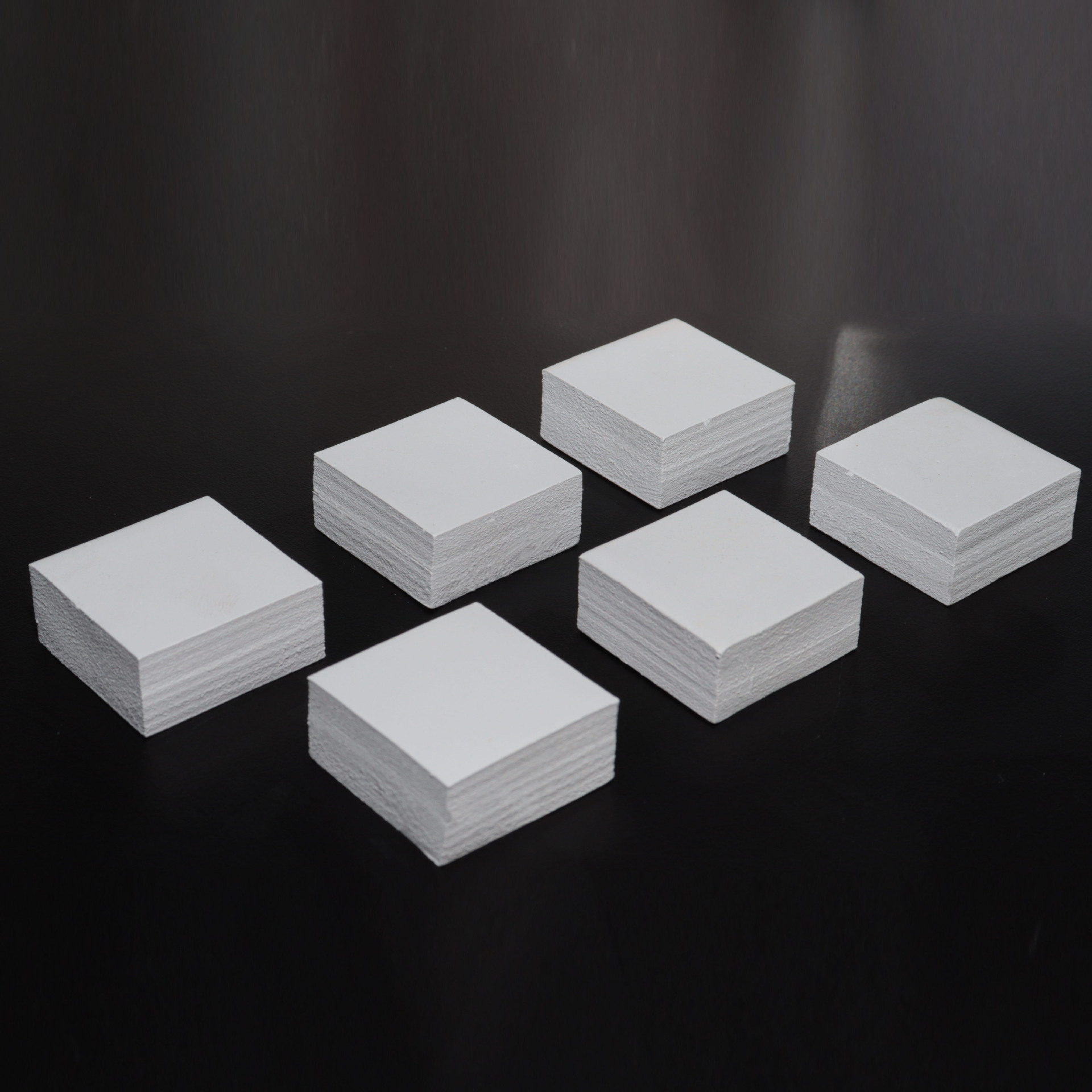
KKG silicone thermal pads are soft, compressible materials designed to fill gaps between heat-generating components and heat sinks. They offer excellent thermal conductivity, typically ranging from 1.5 to 12 W/mK, and are known for their durability and ease of use. Unlike thermal paste, these pads are solid and can be cut to size, making them ideal for irregular surfaces or components with varying heights.
Key Factors to Consider When Choosing a KKG Thermal Pad
When selecting a KKG thermal pad, consider the thermal conductivity, which determines how efficiently heat is transferred. Higher values, like 6 W/mK or above, are better for high-performance applications. The thickness is also critical; it should match the gap between components to ensure proper contact without excessive pressure. Common thicknesses include 0.5mm, 1mm, and 2mm. Additionally, check the hardness (often measured in Shore OO), as softer pads conform better to surfaces but may compress over time.
Top KKG Thermal Pad Recommendations
Based on user reviews and technical specifications, here are some top picks: For general use, the KKG 6 W/mK 1mm pad offers a balance of performance and affordability, suitable for most CPUs and GPUs. For high-end gaming or overclocking, the KKG 12 W/mK 0.5mm pad provides superior heat dissipation in thin applications. If you need flexibility for uneven surfaces, the KKG 3 W/mK 2mm soft pad is a great choice, as it compresses easily to fill gaps. Always ensure compatibility with your device's specifications to avoid damage.
Installation Tips and Best Practices
To install a KKG thermal pad, first clean the surfaces with isopropyl alcohol to remove dust and old thermal material. Cut the pad to the exact size of the component using a sharp knife or scissors. Place it evenly, avoiding air bubbles, and apply gentle pressure to secure it. Remember, these pads are reusable to some extent, but replace them if they become dry or cracked. Proper installation can significantly improve thermal performance and extend the life of your electronics.
Common Questions About KKG Thermal Pads
How often should I replace my KKG thermal pad?
KKG thermal pads generally last 2-5 years, depending on usage and environmental conditions. Replace them if you notice increased temperatures or physical degradation like hardening.
Can I use a KKG thermal pad instead of thermal paste?Yes, but they serve different purposes. Thermal pads are better for filling larger gaps or covering multiple components, while paste is ideal for smooth, flat surfaces with minimal gaps.
What is the difference between KKG and other brands?KKG is known for consistent quality and a wide range of options, but always compare specifications like thermal conductivity and thickness to find the best fit for your application.