










Unlocking Thermal Efficiency: The Essential Guide to KKG Silicone Thermal Pads from a Leading ManufacturerThermal Silicone Pad
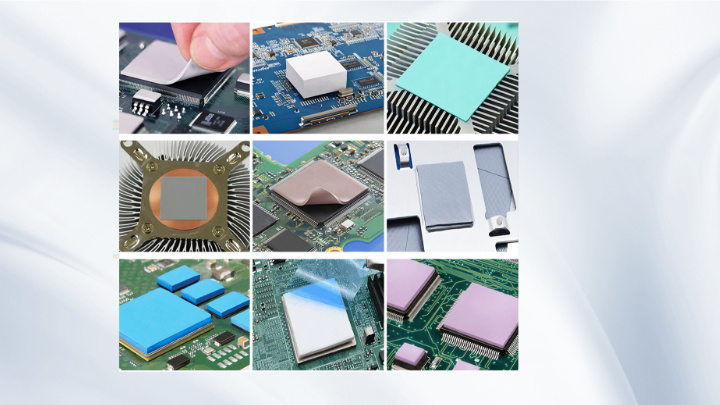
What Are KKG Silicone Thermal Pads?
KKG silicone thermal pads are advanced thermal interface materials (TIMs) made from silicone elastomers infused with thermally conductive fillers like ceramics or metals. These pads are designed to fill gaps between heat-generating components, such as CPUs or GPUs, and heat sinks, ensuring efficient heat transfer. Unlike thermal pastes, they are solid and easy to handle, reducing mess and application errors. KKG's manufacturing expertise ensures consistent quality and performance, making them a go-to choice for engineers and designers.
Key Benefits of Using KKG Thermal Pads
KKG thermal pads offer several advantages that set them apart in the market. First, they provide excellent thermal conductivity, typically ranging from 1 to 12 W/mK, which helps dissipate heat quickly and prevent overheating. Second, they are highly compressible and conformable, allowing them to adapt to uneven surfaces and fill microscopic air gaps. This ensures optimal contact and minimizes thermal resistance. Additionally, KKG pads are electrically insulating, preventing short circuits in sensitive electronic devices. Their durability and resistance to aging mean they maintain performance over long periods, even under harsh conditions.
Applications Across Industries
KKG silicone thermal pads are versatile and used in various applications. In consumer electronics, they are common in smartphones, laptops, and gaming consoles to cool processors and batteries. In automotive systems, they help manage heat in electric vehicle batteries and power modules, enhancing safety and efficiency. Industrial equipment, such as servers and LED lighting, also relies on these pads for reliable thermal management. As a leading Thermal Silicone Pad Selling Manufacturer, KKG tailors products to specific industry needs, offering custom sizes and thicknesses to fit unique designs.
How to Choose the Right KKG Thermal Pad
Selecting the appropriate KKG thermal pad involves considering factors like thermal conductivity, thickness, and hardness. For high-power applications, opt for pads with higher conductivity ratings (e.g., above 5 W/mK) to handle intense heat. Thickness should match the gap between components; too thin may not fill voids, while too thick can reduce efficiency. Hardness, measured in Shore OO, affects compressibility—softer pads are better for delicate surfaces. Always consult KKG's technical datasheets or support team for tailored recommendations based on your project requirements.
Common Questions
How do I install KKG silicone thermal pads?
Installation is straightforward: clean the surfaces, peel off the protective film, and place the pad between the heat source and sink. Apply gentle pressure to ensure good contact, but avoid over-compressing, which can damage the pad or components.
Are KKG thermal pads reusable?
Generally, KKG pads are not designed for reuse, as compression and aging can degrade their performance. It's best to replace them during maintenance or upgrades for optimal thermal management.
What is the typical lifespan of KKG thermal pads?
With proper application, KKG thermal pads can last 5-10 years or more, depending on environmental factors like temperature and humidity. Regular checks during device servicing can help ensure continued effectiveness.