










Unlocking Thermal Management Excellence: The Role of KKG Silicone Thermal Pads in Modern ElectronicsThermal Silicone Pad
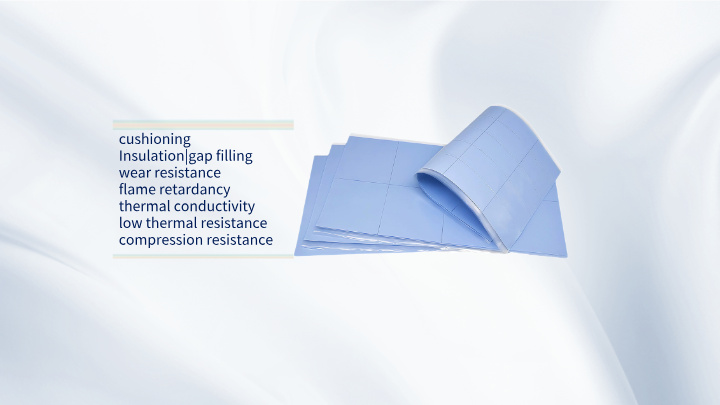
Introduction to KKG Silicone Thermal Pads
KKG silicone thermal pads are engineered to provide superior thermal conductivity and electrical insulation in electronic devices. Made from high-quality silicone materials, they effectively transfer heat away from sensitive components like CPUs, GPUs, and power modules. Unlike traditional thermal pastes, these pads offer a mess-free application and consistent performance over time, making them ideal for both consumer electronics and industrial applications.
Key Benefits and Applications
The primary advantage of KKG silicone thermal pads lies in their excellent thermal conductivity, which can range from 1.0 to 12.0 W/mK depending on the grade. This ensures efficient heat dissipation, preventing overheating and extending device lifespan. Additionally, they provide electrical insulation, reducing the risk of short circuits in compact designs. Common applications include laptops, smartphones, automotive electronics, and LED lighting systems, where space constraints demand reliable thermal management solutions.
Importance of a Quality Thermal Silicone Pad Factory
Choosing a reputable Thermal Silicone Pad Factory is essential for ensuring product reliability. A top-tier factory employs advanced manufacturing processes, such as precise material mixing and curing techniques, to produce pads with uniform thickness and consistent thermal properties. Quality control measures, like testing for thermal resistance and durability, help meet industry standards. By partnering with an experienced factory, businesses can access customized solutions tailored to specific thermal and mechanical requirements.
Best Practices for Selection and Installation
When selecting KKG silicone thermal pads, consider factors like thermal conductivity, thickness, and hardness to match your application's needs. For installation, ensure surfaces are clean and free of debris to maximize contact and heat transfer. Apply gentle pressure to secure the pad without damaging components. Regular maintenance checks can help detect wear and tear, ensuring ongoing performance. Following these tips can optimize thermal management and prevent common issues like thermal throttling.
Common Questions
What makes KKG silicone thermal pads different from other thermal interface materials?
KKG pads are known for their durability and ease of use, offering a solid form that doesn't dry out or pump out like some pastes, providing long-term reliability in varying temperatures.
How do I choose the right thickness for a thermal pad?
Measure the gap between the component and heat sink; select a pad thickness that fills this space without excessive compression, typically within 0.5mm to 5mm ranges, to ensure optimal thermal contact.
Can KKG silicone thermal pads be reused?
While they can be repositioned if undamaged, it's generally recommended to replace them after disassembly to maintain peak thermal performance and avoid contamination.
What should I look for in a Thermal Silicone Pad Factory?
Prioritize factories with certifications like ISO 9001, a track record of quality products, and the ability to provide technical support and customization options for specific projects.