










Unlocking Thermal Management Excellence: The Comprehensive Guide to KKG Silicone Thermal PadsThermal Silicone Pad
What Are KKG Silicone Thermal Pads?
KKG silicone thermal pads are advanced thermal interface materials designed to transfer heat away from electronic components, such as CPUs, GPUs, and power modules. Made from high-quality silicone compounds, they provide excellent thermal conductivity, typically ranging from 1.5 to 12 W/mK, ensuring optimal heat dissipation. Unlike traditional thermal pastes, these pads are solid and easy to handle, reducing mess and application errors.
Key Features and Advantages
One of the standout features of KKG thermal pads is their flexibility and compressibility, which allows them to conform to uneven surfaces, filling gaps and ensuring maximum contact area. This enhances thermal transfer efficiency and prevents overheating. Additionally, they are electrically insulating, protecting sensitive components from short circuits. With high durability and resistance to aging, these pads maintain performance over time, even in harsh environments.
Applications in Various Industries
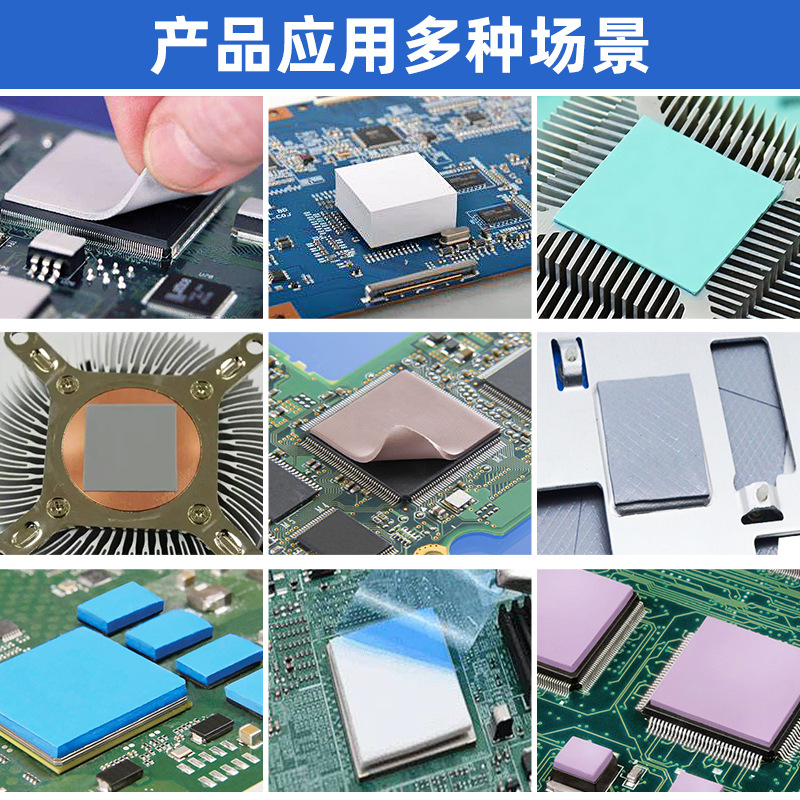
KKG silicone thermal pads are widely used in industries like consumer electronics, automotive, and telecommunications. In smartphones and laptops, they help manage heat from processors, extending device lifespan. In automotive systems, they ensure reliable operation of LED lights and battery packs. For industrial equipment, they provide stable thermal management in power supplies and control units, reducing downtime and maintenance costs.
How to Choose the Right Thermal Pad
Selecting the appropriate KKG thermal pad depends on factors such as thermal conductivity requirements, thickness, and operating conditions. For high-power applications, opt for pads with higher W/mK ratings. Measure the gap between components to choose the correct thickness, ensuring a snug fit without excessive pressure. Consider environmental factors like temperature ranges and exposure to chemicals to ensure long-term reliability.
Installation Tips and Best Practices
To maximize effectiveness, clean surfaces thoroughly before application to remove dust and oils. Cut the pad to size using a sharp tool, avoiding frayed edges. Apply gentle pressure to secure it in place, and avoid over-compression, which can reduce thermal performance. Regularly inspect pads for wear and replace them if signs of degradation appear, such as hardening or cracking.
Common Questions
How do KKG silicone thermal pads compare to thermal paste?
KKG pads offer easier application and reusability, making them ideal for assembly lines and maintenance. Thermal paste may provide slightly better conductivity in some cases but requires precise application and can be messy.
Can these pads be used in outdoor environments?
Yes, KKG thermal pads are designed to withstand a wide temperature range and resist UV exposure, making them suitable for outdoor applications like solar panels and automotive systems.
What is the typical lifespan of a KKG thermal pad?
With proper installation and normal operating conditions, these pads can last several years. However, in high-stress environments, periodic checks are recommended to ensure continued performance.