










Enhancing Electronics Performance with KKG Silicone Thermal Pads: A Guide to Electrical Insulation and Heat ManagementThermal Silicone Pad
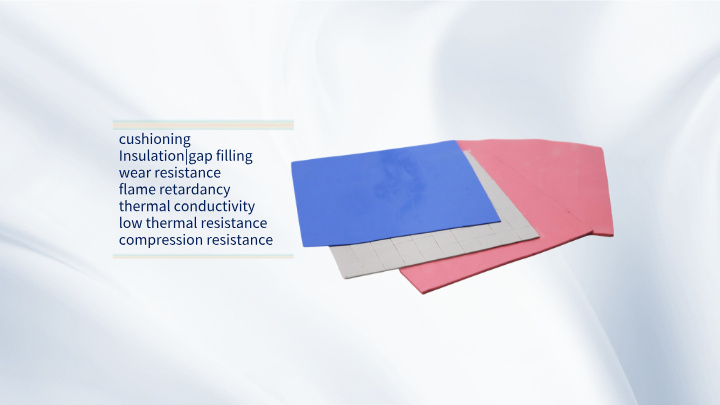
Understanding KKG Silicone Thermal Pads
KKG silicone thermal pads are specialized materials designed to manage heat in electronic assemblies while providing essential electrical insulation. Made from high-quality silicone compounds, these pads are soft, compressible, and can conform to uneven surfaces, ensuring optimal contact between heat-generating components like CPUs, GPUs, and power modules, and heat sinks or enclosures. Their thermal conductivity typically ranges from 1 to 6 W/mK, effectively transferring heat away to prevent overheating and performance degradation.
Key Features and Benefits
One of the standout advantages of KKG thermal pads is their dual functionality: they excel in both thermal management and electrical insulation. Unlike thermal greases or tapes that may require additional insulating layers, these pads inherently resist electrical currents, reducing the risk of short circuits in high-voltage environments. They are also durable, withstanding temperatures from -50°C to 200°C, and are resistant to moisture, chemicals, and aging, making them suitable for harsh conditions in automotive, industrial, and consumer electronics.
Applications in Modern Electronics
KKG silicone thermal pads are widely used across various industries. In LED lighting systems, they help dissipate heat from drivers to extend bulb life. For power supplies and inverters, they insulate and cool transformers and MOSFETs, enhancing efficiency and safety. In computing devices, such as laptops and servers, they fill gaps between processors and heat sinks, ensuring stable operation under heavy loads. Their ease of installation—simply cut to size and apply—makes them a go-to choice for both mass production and DIY projects.
Installation Tips and Best Practices
To maximize the effectiveness of KKG thermal pads, proper installation is key. First, clean the surfaces thoroughly to remove dust and oils that could hinder thermal transfer. Measure the gap between components accurately and select a pad thickness that allows slight compression for optimal contact pressure. Avoid over-compressing, as this can reduce thermal performance. For complex assemblies, consider using multiple layers or combining with other thermal interface materials. Regularly inspect pads for wear or degradation, especially in high-temperature applications, to maintain long-term reliability.
Common Questions
How do KKG silicone thermal pads compare to thermal paste?
KKG pads offer easier application and reusability, with built-in electrical insulation, while thermal paste provides higher thermal conductivity but may require separate insulating measures and can be messy to apply.
Can these pads be used in outdoor or humid environments?
Yes, their silicone composition resists moisture and UV exposure, making them suitable for outdoor electronics like solar inverters or automotive systems, but ensure proper sealing for extreme conditions.
What thickness should I choose for my application?
Select a thickness that matches the gap between components, typically 0.5mm to 5mm, with compression of 10-30% to ensure good thermal contact without excessive pressure.