










Effortless Cooling: Mastering Easy to Attach & Install Thermal Silicone Pads for Peak PerformanceThermal Silicone Pad
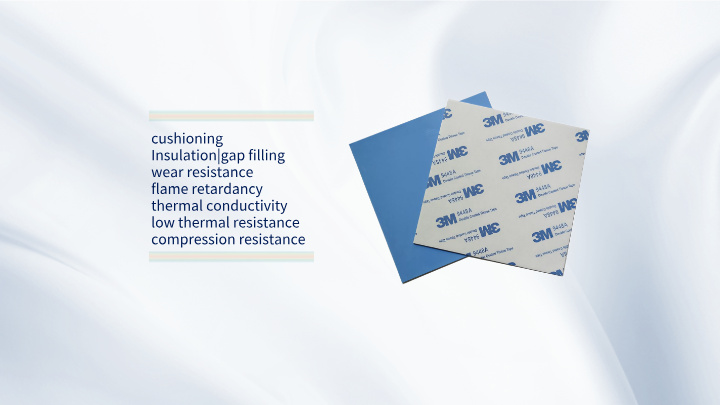
Understanding KKG Silicone Thermal Pads
KKG silicone thermal pads are engineered to provide excellent thermal conductivity while being easy to attach and install. Made from high-quality silicone materials, they fill gaps between heat-generating components and heat sinks, ensuring optimal heat transfer. Unlike messy thermal pastes, these pads come in pre-cut sizes or sheets that can be trimmed to fit, making them a clean and convenient choice for both DIY enthusiasts and professionals.
Benefits of Easy Installation
The primary advantage of KKG pads is their user-friendly design. They feature a self-adhesive backing that allows for quick and secure attachment without the need for additional adhesives. This reduces installation time and minimizes the risk of errors, such as uneven application or air bubbles. For instance, when upgrading a gaming PC or server, you can simply peel off the protective film, place the pad on the component, and press gently for a firm bond. This simplicity makes them ideal for repetitive tasks in manufacturing or maintenance.
Step-by-Step Installation Guide
To maximize performance, follow these steps for installing KKG thermal pads. First, clean the surfaces of both the component and heat sink with isopropyl alcohol to remove dust and oils. Next, measure the area and cut the pad to size if necessary. Then, peel the backing and align the pad carefully, avoiding wrinkles. Finally, apply light pressure to ensure full contact. Remember, proper alignment is key to avoiding thermal inefficiencies. For best results, check the manufacturer's specifications for thickness and conductivity ratings to match your device's needs.
Common Applications and Tips
KKG pads are versatile and used in various electronics, from CPUs and GPUs to LED lights and power supplies. In my experience, they excel in tight spaces where liquid pastes might spill. A pro tip is to store pads in a cool, dry place to maintain their adhesive properties. Additionally, if you encounter issues like pad slippage, consider using a small amount of thermal tape for extra security. Regular maintenance, such as inspecting pads annually for wear, can prolong device life and prevent overheating.
Frequently Asked Questions
How do I choose the right thickness for a KKG thermal pad?
Select a thickness that matches the gap between your component and heat sink. Measure the distance accurately, and refer to KKG's product charts, which typically range from 0.5mm to 5mm. A pad that is too thick or thin can reduce thermal efficiency.
Can KKG thermal pads be reused after removal?
It is not recommended to reuse KKG pads once removed, as the adhesive may degrade and compromise performance. Always use a fresh pad for new installations to ensure optimal heat transfer and reliability.
Are these pads safe for use in sensitive electronic environments?
Yes, KKG silicone thermal pads are non-conductive and chemically stable, making them safe for most electronics. They do not contain harmful substances and are designed to withstand high temperatures without degrading, ensuring long-term safety and effectiveness.