










Unlocking Superior Heat Dissipation: The Power of Low Thermal Resistance Thermal Silicone PadsThermal Silicone Pad
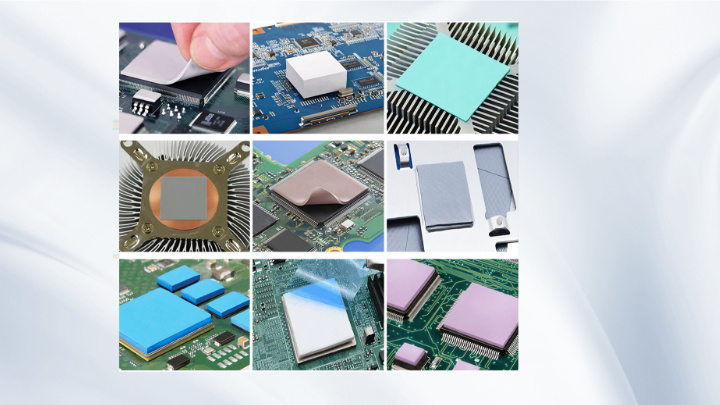
What Are Low Thermal Resistance Thermal Silicone Pads?
Low thermal resistance thermal silicone pads are advanced materials designed to transfer heat away from electronic components, such as CPUs, GPUs, and power modules. Unlike traditional thermal pastes or greases, these pads provide a solid, compressible interface that fills gaps between surfaces, ensuring consistent thermal contact. The term low thermal resistance refers to their ability to minimize the barrier to heat flow, measured in units like °C/W, which directly impacts cooling efficiency. KKG silicone thermal pads are engineered with high-quality silicone compounds and fillers like ceramic or aluminum oxide to achieve this property, making them ideal for demanding applications where overheating can lead to failures.
Key Benefits of Using KKG Silicone Thermal Pads
KKG silicone thermal pads offer several advantages that make them a preferred choice in electronics cooling. First, their low thermal resistance ensures rapid heat dissipation, reducing the risk of thermal throttling and extending component lifespan. Second, they are highly flexible and compressible, allowing them to conform to uneven surfaces and maintain contact under vibration or thermal cycling. Third, these pads are electrically insulating, preventing short circuits and enhancing safety. Additionally, KKG pads are durable and resistant to aging, chemicals, and moisture, providing long-term reliability in harsh environments. For example, in automotive electronics or industrial machinery, they help maintain stable temperatures, improving overall system performance.
Applications and Best Practices
Low thermal resistance thermal silicone pads are widely used in various industries, including consumer electronics, telecommunications, and renewable energy systems. Common applications include cooling LED lights, servers, and battery packs. To maximize their effectiveness, it's essential to follow best practices. Start by selecting the right thickness and hardness based on the gap size and pressure requirements. Clean the surfaces thoroughly before application to remove dust or oils that could hinder thermal transfer. Apply the pad evenly, avoiding air bubbles, and ensure proper compression during installation. Regularly inspect for wear or degradation, especially in high-temperature settings, to maintain optimal heat management. By integrating KKG pads into your designs, you can achieve efficient cooling and enhance device reliability.
Common Questions
How do I choose the correct thickness for a low thermal resistance thermal silicone pad?
Select the thickness based on the gap between the heat source and heat sink. Measure the distance accurately and choose a pad that compresses slightly (typically 10-20%) to ensure good contact without excessive pressure. KKG offers various thickness options to suit different applications.
Can these pads be reused after removal?
It's generally not recommended to reuse thermal silicone pads, as they may lose compressibility or become contaminated during removal. For best performance, replace them with a new pad when reassembling components.
Are low thermal resistance thermal silicone pads safe for sensitive electronics?
Yes, KKG silicone thermal pads are electrically insulating and non-conductive, making them safe for use around sensitive circuits. They also comply with industry standards for thermal management materials.