










Unlocking Thermal Efficiency: The Power of KKG Silicone Thermal Pads from Shenzhen's Most Stable SolutionsThermal Silicone Pad
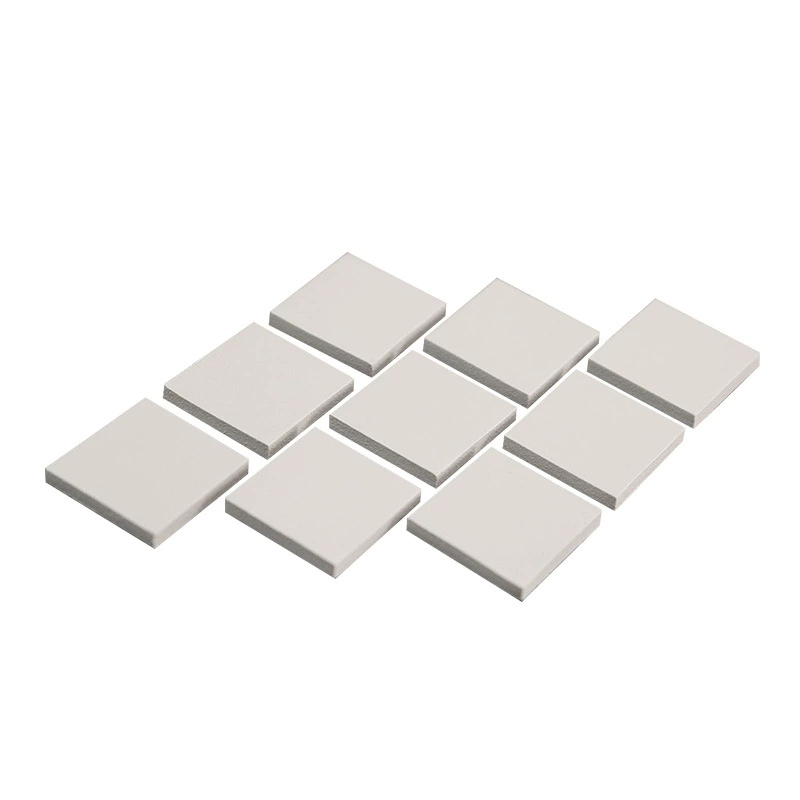
Introduction to KKG Silicone Thermal Pads
KKG silicone thermal pads are advanced thermal interface materials designed to transfer heat away from electronic components, such as CPUs, GPUs, and power modules. Originating from Shenzhen, a hub of technological innovation, these pads are celebrated for their exceptional stability and durability under varying conditions. They are engineered to fill microscopic gaps between surfaces, ensuring optimal thermal conductivity and preventing overheating that can lead to device failure.
Key Features and Benefits
One of the standout features of KKG silicone thermal pads is their high thermal conductivity, which allows for efficient heat transfer without compromising electrical insulation. Made from premium silicone compounds, they exhibit excellent flexibility, conforming to uneven surfaces for maximum contact and minimal thermal resistance. Additionally, these pads are resistant to aging, chemicals, and moisture, making them ideal for harsh environments. Their long-term reliability reduces maintenance costs and enhances the lifespan of electronic devices, a critical factor in industries like automotive and telecommunications.
Applications in Real-World Scenarios
In practice, KKG silicone thermal pads are widely used in laptops, smartphones, LED lighting, and electric vehicles. For instance, in a gaming laptop, they help dissipate heat from the GPU during intense sessions, preventing throttling and ensuring smooth performance. Professionals often recommend them for DIY projects or repairs due to their ease of application and consistent results. By choosing Shenzhen's most stable options, users can trust in consistent thermal management across temperature fluctuations.
Common Questions
What makes KKG silicone thermal pads more stable than others?
KKG pads are formulated with high-quality materials and undergo rigorous testing in Shenzhen, ensuring minimal degradation over time and consistent performance under stress, which sets them apart as the most stable choice.
How do I choose the right thickness for my application?
Select a thickness based on the gap between components; measure the space accurately and consult manufacturer guidelines, as using too thin or thick a pad can affect thermal efficiency.
Can these pads be reused after removal?
While they are designed for single-use due to potential compression loss, in some cases, they can be reused if undamaged, but it's generally advised to replace them for optimal performance.