










Dongguan's Most Stable Thermal Silicone Pad: A Comprehensive Guide to KKG's Advanced Thermal Management SolutionsThermal Silicone Pad
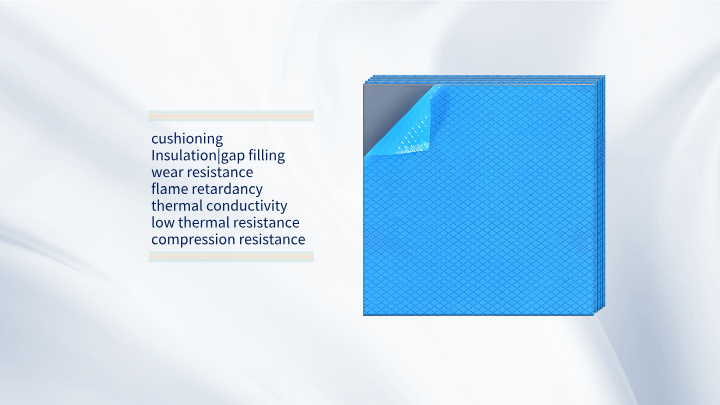
Introduction to KKG Silicone Thermal Pads
KKG silicone thermal pads are advanced thermal interface materials designed to efficiently dissipate heat from electronic components. Manufactured in Dongguan, a hub for precision engineering in China, these pads are known for their superior stability under varying thermal and mechanical stresses. They are made from high-grade silicone compounds that offer excellent thermal conductivity, typically ranging from 1.0 to 6.0 W/mK, ensuring optimal heat transfer in applications like CPUs, GPUs, and power modules.
Key Features of Dongguan's Most Stable Thermal Pads
The standout feature of KKG's Dongguan-produced thermal pads is their exceptional stability. Unlike some thermal materials that degrade over time, these pads maintain consistent performance even after prolonged exposure to high temperatures and cycling. They exhibit low thermal resistance, which minimizes heat buildup and prevents overheating. Additionally, they are highly compressible, allowing for easy installation and conforming to uneven surfaces without losing effectiveness. Their non-conductive and non-corrosive properties make them safe for use in sensitive electronic environments.
Applications and Benefits
KKG silicone thermal pads are widely used in industries such as consumer electronics, automotive, telecommunications, and industrial automation. Common applications include heat dissipation in laptops, servers, LED lighting, and electric vehicle batteries. The benefits include enhanced device longevity by reducing thermal stress, improved performance through efficient cooling, and cost savings from reduced maintenance. By using these stable pads, manufacturers can ensure reliable operation and compliance with thermal management standards.
Selection and Installation Tips
When selecting a KKG thermal pad, consider factors like thermal conductivity requirements, thickness, and operating temperature range. For best results, measure the gap between components accurately and choose a pad with the right compressibility to fill it without excess pressure. During installation, clean surfaces thoroughly to remove dust and oils, then apply the pad evenly. Avoid over-tightening screws, as this can damage the pad or components. Regular inspections can help detect any signs of wear or degradation early.
Common Questions
What makes KKG silicone thermal pads from Dongguan more stable than others?
KKG pads are manufactured using high-quality silicone materials and precise processes in Dongguan, ensuring consistent composition and structure. This results in better resistance to thermal cycling, mechanical stress, and environmental factors, leading to long-term stability.
How do I choose the right thermal conductivity for my application?
Assess the heat output of your components and the cooling requirements. Higher thermal conductivity pads (e.g., 3.0-6.0 W/mK) are suitable for high-power devices, while lower ones (1.0-2.0 W/mK) work for less demanding applications. Consult datasheets or a thermal engineer if unsure.
Can these pads be reused after removal?
It is generally not recommended to reuse KKG thermal pads, as removal can compromise their compressibility and thermal performance. For optimal results, replace with a new pad during maintenance or repairs.
Are there any safety concerns with using silicone thermal pads?
KKG pads are non-conductive and non-toxic, making them safe for most electronic applications. However, ensure proper ventilation during installation and avoid direct skin contact with uncured materials if handling raw compounds.