










Your Guide to Finding High-Quality Domestic Thermal Silicone Pads for Electronics CoolingThermal Silicone Pad
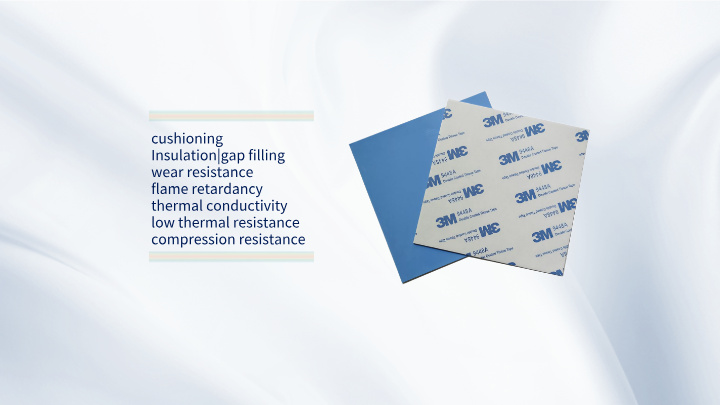
Understanding KKG Silicone Thermal Pads
KKG silicone thermal pads are a popular choice for managing heat in electronic components like CPUs, GPUs, and power supplies. Made from silicone-based materials, these pads offer excellent thermal conductivity, flexibility, and electrical insulation. They fill gaps between heat-generating parts and heat sinks, ensuring optimal heat transfer. Key advantages include durability, ease of application, and resistance to degradation over time, making them ideal for both consumer electronics and industrial applications.
Where to Find Domestic Thermal Silicone Pads in the US
Finding domestic thermal silicone pads involves checking reputable suppliers and manufacturers within the United States. Major online retailers like Amazon, Newegg, and Digi-Key often stock KKG-branded or similar pads from US-based distributors. Additionally, specialized electronics stores such as Micro Center or local hardware shops may carry them. For bulk or custom orders, consider contacting manufacturers directly—companies like Bergquist or Laird Thermal Systems produce high-quality pads domestically. Always verify product specifications, such as thermal conductivity (measured in W/mK) and thickness, to match your needs.
Benefits of Using Domestic Thermal Silicone Pads
Opting for domestic thermal silicone pads offers several benefits. They typically ensure faster shipping, better customer support, and compliance with US safety standards. This reduces risks of counterfeit products and supports local economies. In terms of performance, KKG pads provide consistent thermal management, preventing overheating that can lead to device failure. By using these pads, you enhance the longevity and reliability of your electronics, whether for gaming PCs, servers, or automotive systems.
Tips for Selecting the Right Thermal Silicone Pad
When choosing a thermal silicone pad, consider factors like thermal conductivity, hardness, and size. For most applications, a pad with a thermal conductivity of 3-6 W/mK is sufficient. Measure the gap between components accurately to select the correct thickness—common sizes range from 0.5mm to 5mm. Also, check for certifications like UL or RoHS to ensure safety and environmental compliance. Reading reviews and consulting with experts can help you avoid common pitfalls, such as using pads that are too thick or not conductive enough.
Common Questions About Thermal Silicone Pads
What is the difference between thermal silicone pads and thermal paste?
Thermal silicone pads are solid, flexible sheets used for filling larger gaps, while thermal paste is a liquid or semi-liquid compound for smaller, direct contacts. Pads are easier to apply and rework, but paste often offers slightly better thermal performance in tight spaces.
How often should I replace thermal silicone pads?
Typically, thermal silicone pads last 3-5 years, but replace them if you notice increased device temperatures, physical damage, or after major hardware upgrades. Regular maintenance checks can help prevent overheating issues.
Can I cut thermal silicone pads to fit my components?
Yes, thermal silicone pads can be easily cut with scissors or a knife to custom sizes. Ensure the cut edges are clean to maintain effective thermal contact and avoid air gaps that reduce efficiency.