










Unlocking Efficiency: The Power of Durable Thermal Silicone Pads in Modern ElectronicsThermal Silicone Pad
What Are Durable Thermal Silicone Pads?
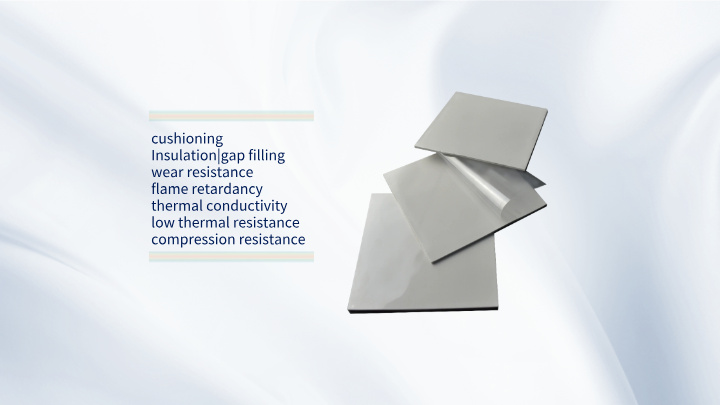
Durable Thermal Silicone Pads are flexible, high-performance materials designed to conduct heat between electronic components and heat sinks. Unlike traditional thermal pastes, these pads are solid yet pliable, making them easy to install and resistant to drying out or cracking over time. They come in various thicknesses and thermal conductivities to suit different needs, from consumer gadgets to industrial machinery.
Key Benefits of Using KKG Silicone Thermal Pads
KKG's pads stand out for their exceptional durability and consistent thermal performance. They maintain their elasticity across a wide temperature range, typically from -50°C to 200°C, ensuring reliable operation in harsh environments. Additionally, they provide excellent electrical insulation, preventing short circuits while dissipating heat efficiently. This makes them ideal for applications where safety and longevity are paramount.
Applications in Real-World Scenarios
From smartphones to electric vehicles, Durable Thermal Silicone Pads play a vital role. In laptops, they help cool processors and GPUs, preventing overheating that can slow down performance. In LED lighting systems, they extend bulb life by managing heat from drivers. Industrial uses include power supplies and automotive electronics, where they withstand vibrations and temperature fluctuations without degrading.
How to Choose and Install the Right Pad
Selecting the correct pad involves considering factors like thermal conductivity (measured in W/mK), thickness, and hardness. For most electronics, a pad with 3-6 W/mK conductivity works well. Installation is straightforward: clean the surfaces, cut the pad to size, and apply gentle pressure to ensure good contact. Avoid over-compressing, as it can reduce effectiveness. Regular maintenance checks can help spot wear early.
Common Questions
How long do Durable Thermal Silicone Pads last?
With proper application, they can last for years without significant degradation, often outlasting the devices they're used in due to their resistance to environmental factors.
Can they be reused?
While possible, reusing is not recommended as compression and contamination may reduce performance. It's best to replace them during repairs or upgrades.
Are they safe for all electronics?
Yes, they are non-toxic and electrically insulating, making them safe for most applications, but always check compatibility with specific materials.